
From Prompt to Production - Scaling Prompt Engineering

TL;DR: Treat prompts like living products. When you apply product rigor—clear intent, structured experimentation, adaptive context, version control, and tight feedback loops—you unlock reliable AI outputs you can actually ship.
Why Scaling Prompt Engineering Matters
Human-in-the-loop tinkering gets you through demos; scalable systems get you into production. Teams that operationalize prompt engineering report:
- Faster iteration cycles – battle-test new flows in hours instead of weeks.
- Higher response accuracy – consistency jumps once prompts carry the right structure + context.
- Lower support costs – fewer human escalations when prompts anticipate edge cases.
- Auditability – leadership can see what changed, why it changed, and how it performed.
If you want agents in production, prompt engineering can’t stay an artisan craft. It needs process.
The Five Pillars of Scalable Prompting
1. Start With Outcomes, Not Poetry
Before writing a single word, define:
- Business goal: e.g., deflect 30% of billing tickets or convert 15% more trials.
- Success metric: CSAT, resolution time, accuracy, or revenue.
- Guardrails: forbidden actions, tone, compliance requirements.
Document this in a one-page brief. Prompts built from fuzzy goals always require painful rework.
2. Iterate Like a Growth Experiment
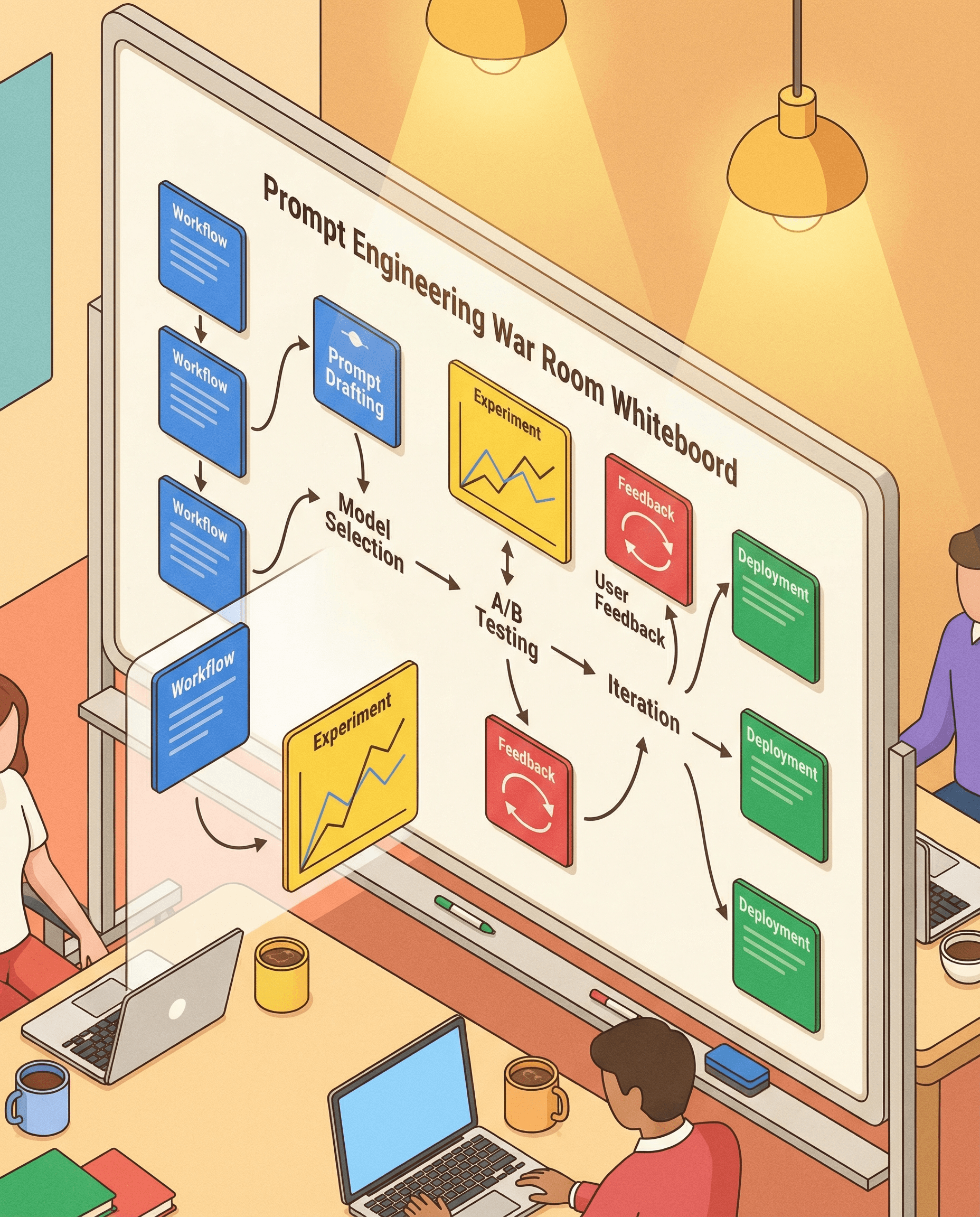
Run prompt experiments the same way you run product tests:
- Draft two variations that attack the goal differently.
- Ship them to a small cohort or staging environment.
- Compare quantitative output (accuracy, latency) plus qualitative review.
- Promote the winner, archive the loser, and capture the learning.
Airtable, Sheets, or your favorite experiment tracker works here—just don’t rely on memory.
3. Design for Adaptive Reasoning
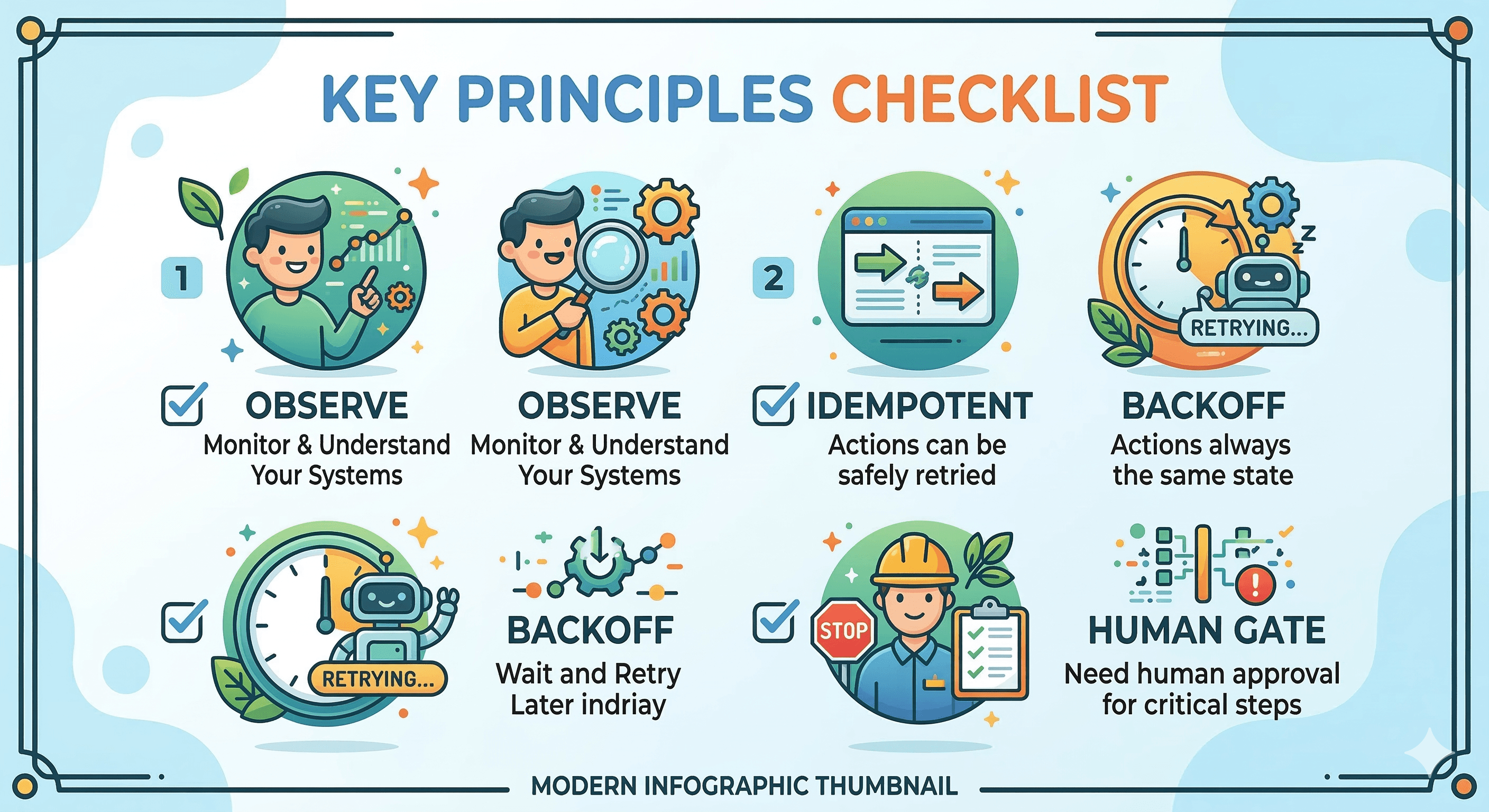
Great prompts behave like great agents: they adjust. Build scaffolding that teaches the model how to think, not just what to say.
You are a support agent.
1. Summarize the customer issue in one sentence.
2. Ask one clarifying question if data is missing.
3. Offer a fix with numbered steps.
4. Confirm resolution.
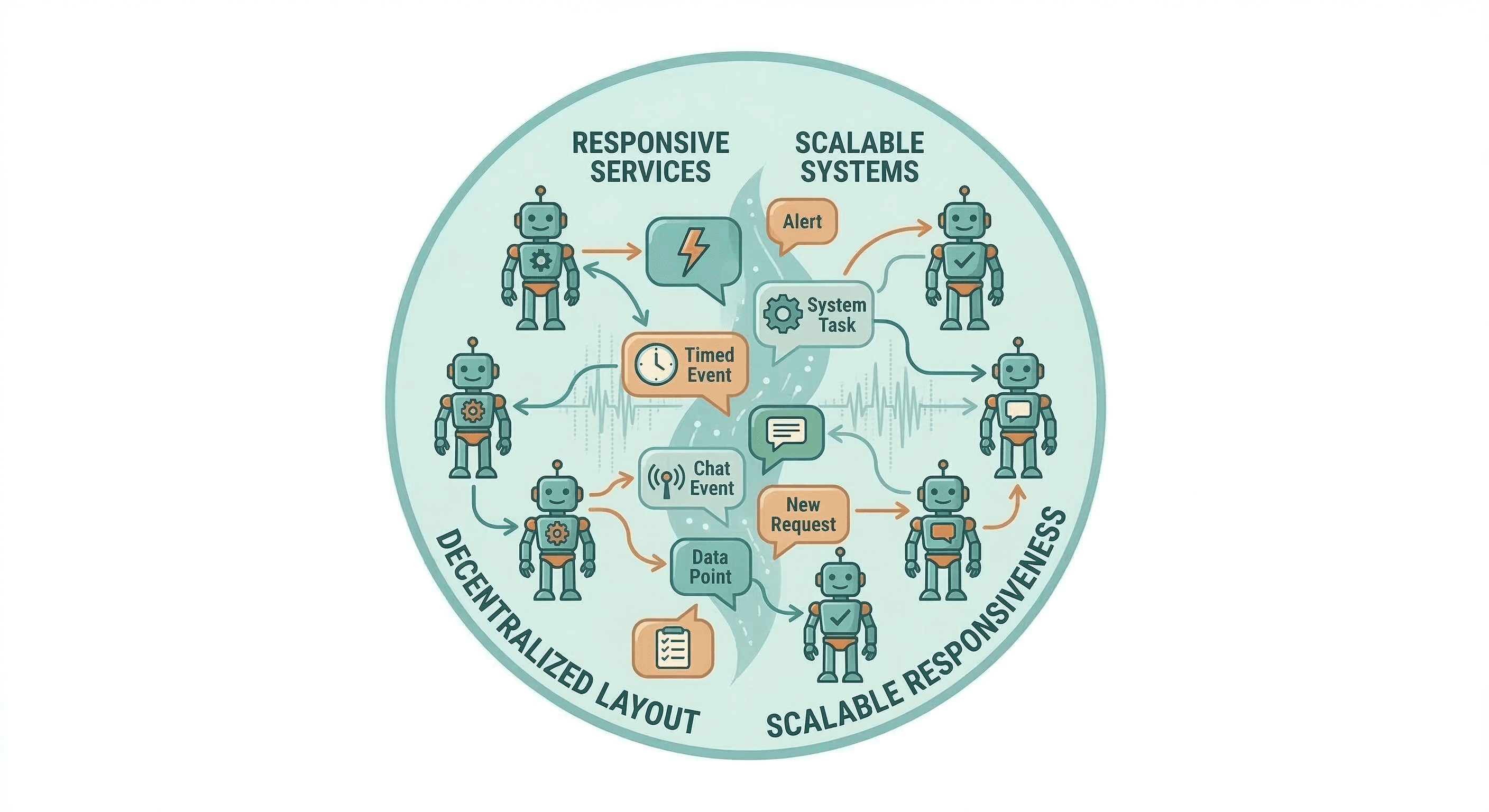
Layer in retrieval (FAQs, policies, recent chats) so the model can pull the right context instead of hallucinating. Adaptive prompts keep conversations coherent over long threads.
4. Version Everything (Yes, Prompts Too)
Treat prompts like code:
- Store them in Git with meaningful commit messages.
- Use feature branches for large changes.
- Pair each prompt file with a changelog: what changed, why, and expected impact.
- Wire prompts into CI so tests fail when someone introduces a breaking edit.
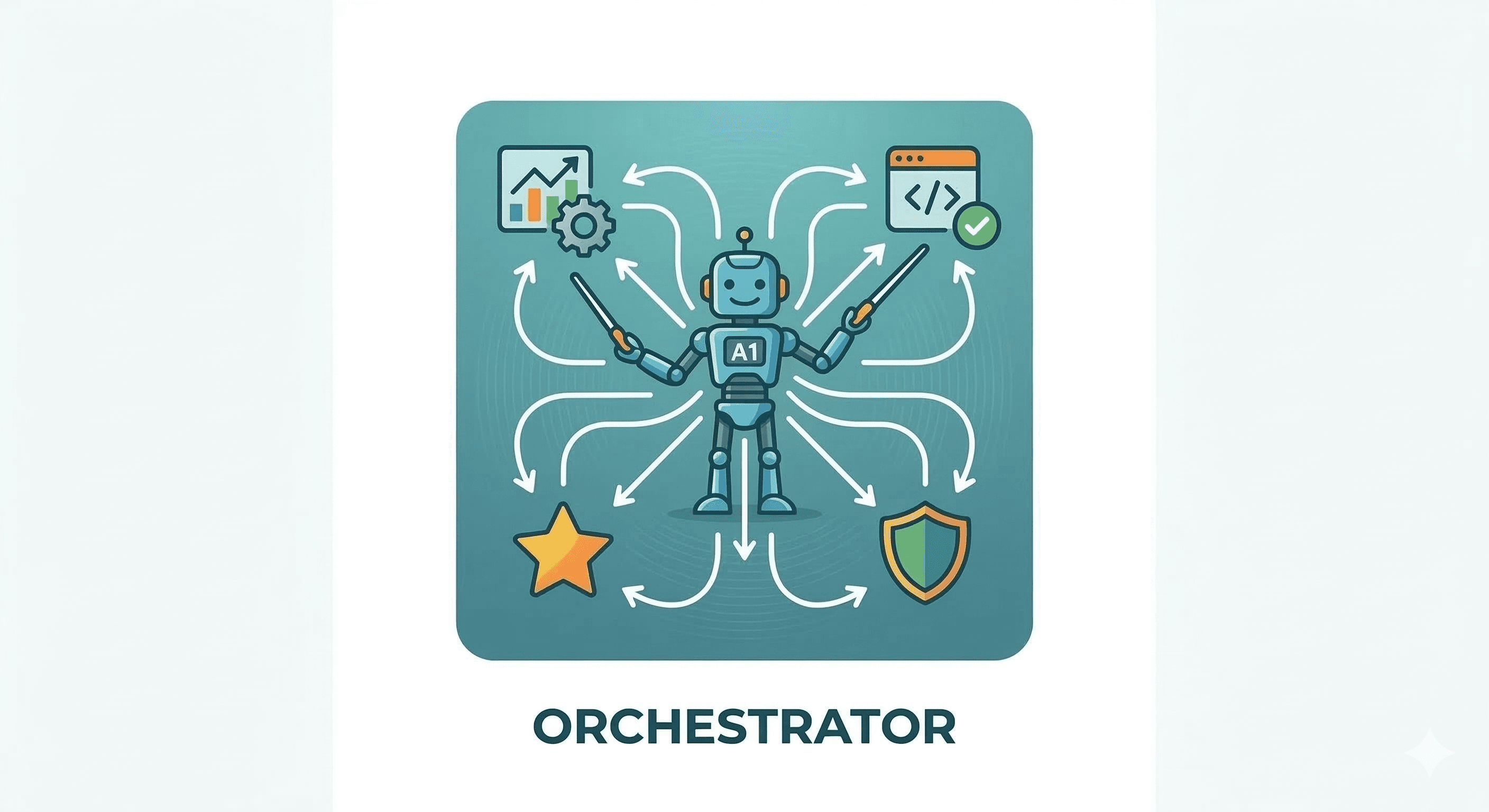
When executives ask, “What changed last week?” you should answer in seconds.
5. Close the Feedback Loop
Ship prompts with instrumentation:
- Auto-attach a thumbs-up / thumbs-down widget or a 1–5 rating block.
- Capture error traces when the model refuses, hallucinates, or escalates.
- Review transcripts weekly; tag issues (policy, tone, latency) and convert patterns into backlog items.
Feedback isn’t vanity—it's your roadmap for the next iteration.
Implementation Checklist
| Track | What “Good” Looks Like |
|---|---|
| Process | Goals + guardrails documented, owner assigned. |
| Experimentation | A/B harness or notebook with metrics logging. |
| Context Layer | Retrieval or structured memory stitched into prompts. |
| Versioning | Prompts in Git, reviews required, CI smoke tests. |
| Feedback | User rating widget, transcript review ritual, backlog ingestion. |
Use this table as your weekly stand-up ritual. If a box is empty, that’s your next sprint.
Ready to Operationalize?
Scaling prompt engineering is how you go from impressive demos to durable AI products. When you productize prompts, every other downstream metric improves.
🔗 Download the Prompt Engineering Ops Kit: akonita.com/resources/prompt-engineering-template
Inside you’ll find the experiment tracker, prompt changelog template, and the instrumentation checklist we use with clients.
Let’s get your prompts shipped.